
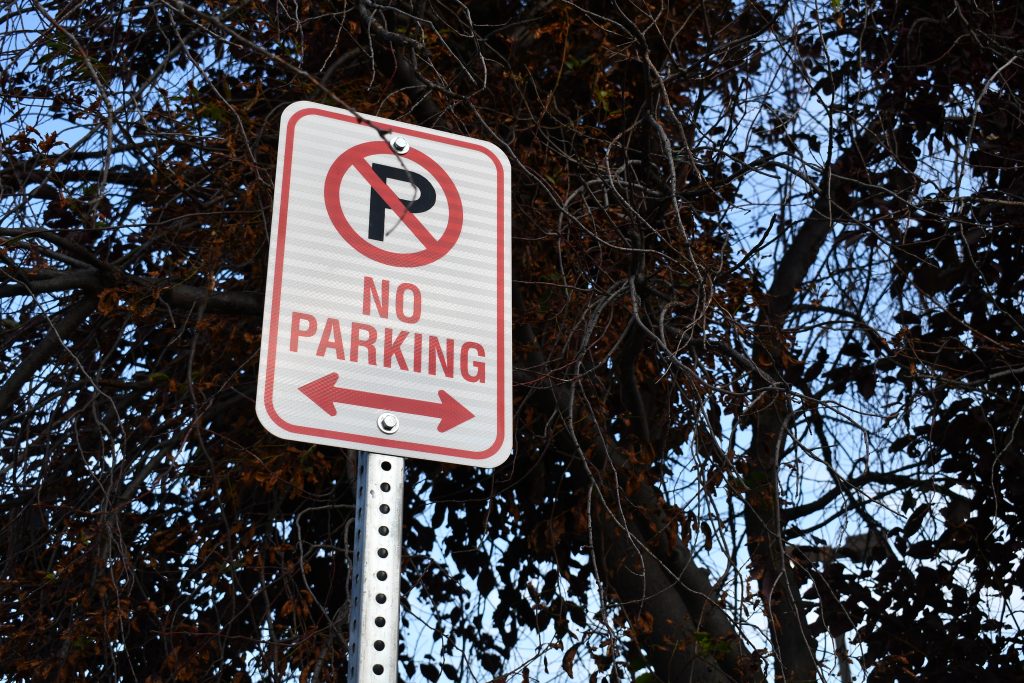
You’re driving along, and suddenly something unexpected happens— you’ve clipped a parked car. Then you notice it wasn’t parked legally. No curb marking. No parking zone. Maybe even blocking a driveway or sitting where it absolutely shouldn’t have been.
At that point, most people wonder the same thing: If the car was illegally parked, am I still responsible?
In California, the answer is usually more complicated than a simple yes or no. The state follows pure comparative negligence laws, which means fault can be shared— as it often is. But even when a parking violation is involved, responsibility for the accident depends on the specific circumstances.
Here’s how these types of accidents are typically handled and what to do next if you find yourself in this situation.
What to Do Immediately If You Hit a Parked Car
Even if the car was parked illegally, what you do in the first few minutes matters. This is the part that protects you later, once insurance companies start sorting out responsibility and assigning a percentage of fault.
Start with the basics:
- Make sure the scene is safe. If anyone is hurt, call 911 right away. If cars are creating a hazard and it’s safe to move them, do so. If not, turn on hazard lights and stay alert for traffic.
- Stay at the scene. It may be tempting to flee the scene, especially if you feel the other person is at fault. It’s important to stay at the scene. (More on this in the next section.)
- Take clear photos. Get wide-angle shots that show where the parked car was sitting on the road, then close-ups of any damage. Also capture anything that supports the parking violation— things like curb color, “no parking” signs, fire lanes, driveway blockage, meter markings, etc.
- Write down details while they are fresh. Jot down details like time, location, weather, lighting, traffic conditions, and anything that contributed to the crash. For example, you may note a blind corner that played a factor.
This kind of evidence helps later when insurers try to determine who is at fault. In California, it’s common for these cases to come down to whether the illegally parked car created a hazard and whether you still could have avoided it with reasonable care. The better and clearer your documentation is, the easier it can be to support your side of the story.
Securing the Parked Car’s Owner and Filing a Police Report
Hitting a parked car— regardless of whether it was illegally parked—comes with specific obligations in California. Under California Vehicle Code §20002, drivers involved in a collision with an unattended vehicle are required to take certain steps, even when the other car was illegally parked.
If the owner is nearby, you should exchange information just as you would in any other accident. This includes names, contact details, insurance info, and vehicle details. Remember to keep the interaction factual and calm, even if there is disagreement about what happened.
If the owner is not present, Vehicle Code §20002 requires you to:
- Leave a written note in a visible place on the vehicle with your name, contact information, and a brief explanation of the accident
- Notify local law enforcement without unnecessary delay
This is where a police report can be especially helpful. An officer may document the location of the vehicles, an observed parking violation, surrounding parking zones, and other notable details. While police reports don’t automatically determine who is at fault, insurance companies often rely on it when reviewing insurance claims and assigning fault percentages.
What’s more is that failing to follow Vehicle Code §20002 can create legal and insurance issues that have nothing to do with who caused the crash. Failing to comply with these requirements is a misdemeanor.
Does illegal parking automatically make the other driver at-fault?
Short answer: No, a parking violation doesn’t automatically make the parked car’s owner fully responsible for the accident.
Even when a vehicle is illegally parked, drivers are still expected to use reasonable care. That means paying attention, driving at a safe speed, and avoiding obstacles when possible. If a moving driver could have avoided the collision but didn’t, they may still carry some responsibility for the accident.
That said, illegal parking isn’t irrelevant. If a vehicle stopped somewhere it shouldn’t have been, that fact can factor into how fault is assigned. An illegally parked car may be a hazard— especially if it limited visibility, blocked the flow of traffic, or left little room to maneuver.
How California’s Pure Comparative Negligence Laws Apply
California follows negligencia comparativa pura, which means fault for an accident can be divided between multiple parties. Instead of asking who is completely responsible, the focus is on how much each person contributed to the crash.
When you hit an illegally parked car, insurers look at the actions of both drivers. The parked car’s owner may share fault for violating parking laws, but the moving driver may also share fault for failing to avoid the collision.
Fault is assigned as a percentage, and those percentages directly affect compensation. For example:
- If the parked car created a dangerous obstruction by violating parking rules and partially blocking the street, the owner may carry part of the blame.
- If the moving driver was found to be distracted on their phone, they may also carry a share of the blame.
This system is why illegally parked car cases often turn into negotiations rather than clear-cut decisions. Insurance companies weigh parking violations, visibility, road conditions, and driver behavior to determine who is at fault— and by how much.
Can you still recover damages if the car was illegally parked?
Yes, under California’s pure comparative negligence laws, you can still recover damages even if you’re found partially responsible for the accident. What matters is how fault is divided, not whether only one driver made a mistake.
When an illegally parked car is involved, compensation is typically reduced based on each party’s percentage of fault. For example, if the parked car’s owner is found to be 40% responsible for creating a hazard and you’re found 60% responsible for the collision, you may still recover 40% of your damages.
Recoverable damages in the cases may include:
- Vehicle repair or replacement costs
- Medical expenses related to the crash
- Other out-of-pocket losses tied to the accident
The key takeaway is that shared fault doesn’t automatically rule out a claim. Even if you were partially at fault, insurance companies will still assess whether the parked driver contributed to the accident and adjust compensation accordingly.
This is also where disputes tend to arise. Insurance companies may push for a higher fault percentage and reduce what they pay, particularly in these types of situations. Understanding how comparative fault works can help you evaluate settlement offers and decide whether further action makes sense.
Fault Isn’t Black and White When a Car Is Illegally Parked
Hitting a car that was illegally parked can feel unfair, but in California, fault isn’t determined by a single mistake. Under pure comparative negligence, responsibility for the accident is often shared. A parking violations is just one piece of the whole puzzle.
Unfortunately, these cases can get complicated quickly, especially when insurance companies disagree about percentages of fault or downplay how a parking violation contributed to the crash. If you’re facing pushback on an insurance claim or dealing with significant damage or injuries, it may be worth speaking to an accident lawyer.
Our team of experienced attorneys at Sepulveda Sanchez Accident Lawyers challenges unfair fault assignments and protects your ability to recover damages under California law so that you aren’t left carrying more responsibility than you should.