
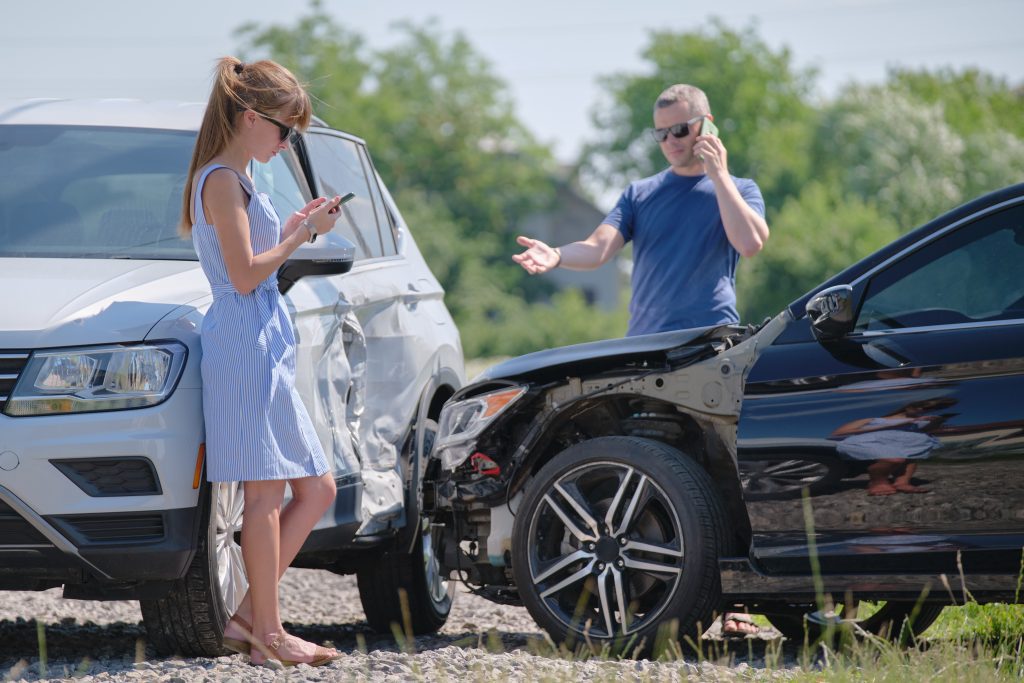
Being involved in a car accident is stressful enough. But discovering that the insurance coverage available doesn’t fully cover your medical bills, lost wages, or other losses can feel especially overwhelming.
You may be asking yourself: If the insurance company already paid (or denied) my claim, can I still take legal action? The short answer is yes, in many situations, you may still be able to file a lawsuit and pursue compensation beyond the insurance policy limits.
When Insurance Isn’t Enough After a Car Accident
After you’re involved in a car accident, the typical process begins with filing a claim against the at-fault driver’s insurance. Most drivers carry liability insurance, which includes:
- Bodily injury coverage (for medical expenses, lost wages, and pain and suffering)
- Property damage coverage (to repair or replace your vehicle)
If your injuries are serious (needing surgeries, hospitalization, long-term rehabilitation), your medical bills alone can exceed that coverage limit. Add in lost wages and pain and suffering, and the gap can grow quickly.
When that happens, the insurance company may offer you the full policy amount and say that’s all that’s available. But that doesn’t necessarily mean that’s all you’re entitled to recover.
What Happens When the Fault Driver’s Insurance Falls Short?
If the fault driver’s insurance doesn’t fully cover your damages, you may have several options:
1. Underinsured Motorist Coverage
If you carry underinsured motorist coverage (UIM) on your own auto policy, you may be able to pursue compensation through your own insurance coverage. This coverage is designed specifically for situations where:
- The other driver was at fault for the accident
- Their liability insurance wasn’t enough to cover your bodily injury damages
2. Filing a Lawsuit Against the At-Fault Driver
You may also have the right to file a lawsuit directly against the driver who caused the accident. Even if their insurance coverage has been exhausted, they may have personal assets that could be used to satisfy a judgment.
3. Identifying Additional Liable Parties
In some cases, the driver who hit you isn’t the only responsible party. For example:
- An employer (if the driver was on the job)
- A vehicle manufacturer (if a defect contributed)
- A government entity (for unsafe road conditions)
What Types of Damages Can You Still Recover?
If you file a lawsuit, you may be able to recover damages such as:
- Medical bills (past and future)
- Lost wages and reduced earning capacity
- Property damage beyond what insurance paid
- Pain and suffering
- Emotional distress
- Permanent disability or disfigurement
Common Questions We Hear
As a law firm, potential clients are regularly asking about these concerns:
1. If the insurance company already paid the policy limit, can I still sue?
Yes, in many cases, you can still file a lawsuit against the at-fault driver.
When an insurance company tenders the policy limits, it simply means they’ve paid the maximum amount required under that policy. It does not automatically prevent you from pursuing additional compensation directly from the person responsible for the accident.
2. What if I was partially at fault for the accident?
California is a pure comparative negligence state. That means you can still recover compensation even if you were partially at fault for causing the accident, but your recovery will be reduced by your percentage of fault. If you were 70% at fault, you could recover 30% of your losses.
Insurance companies often try to place the majority of the blame on injured victims to pay out as little as possible on a claim.
3. Can I recover money for pain and suffering if insurance didn’t cover everything?
Yes. Pain and suffering are part of bodily injury damages, and they can be pursued in a lawsuit even if the insurance coverage was insufficient.
Insurance adjusters frequently minimize non-economic damages. In court, however, the full human impact of your injuries can be presented through medical records, expert testimony, and personal evidence.
4. What if the at-fault driver doesn’t have any assets?
If the driver truly has no assets and no additional insurance coverage, collecting on a judgment may be difficult. However, before making that determination, a personal injury law firm will:
- Investigate hidden or umbrella liability insurance policies
- Check for employer liability
- Review your underinsured motorist coverage
- Analyze potential third-party liability
You should never assume there’s “no money available” without a thorough legal investigation.
5. How long do I have to file a lawsuit?
California law allows two years from the date of the car accident to file a personal injury lawsuit for injuries. You generally have three years to file a lawsuit to recover damages for property damage only.
Claims against government entities, such as a city vehicle or an unsafe road maintained by a government agency, must begin with an administrative claim filed within six months of the accident.
If you fail to file your claim within the above time limits, you could be barred from seeking compensation.
Why Insurance Companies Don’t Always Tell You the Full Story
It’s important to remember: the insurance company’s goal is to protect its financial interests. When they tell you the coverage limit has been reached, they may imply that your case is over. But they are not responsible for advising you about:
- Additional claims you may have
- Whether to file a lawsuit
- Other sources of compensation
That’s where a personal injury law firm steps in. An experienced legal team understands how to analyze insurance coverage, identify liability insurance policies, and build a strategy to fully recover damages.
Don’t Let a Coverage Limit Define Your Recovery
Serious injuries don’t stop at a policy limit. If you’ve been involved in a car accident and the available insurance coverage didn’t come close to covering your medical bills, lost wages, or long-term care needs, you still have options.
You deserve to pursue compensation that reflects the full scope of your losses, not just what an insurance company is willing to pay voluntarily.
Take the Next Step Toward Protecting Your Rights
If you’re unsure whether you can still file a lawsuit or recover damages beyond what insurance has offered, speaking with the right team of personal injury lawyers can give you clarity and peace of mind. Even if insurance didn’t cover everything, that doesn’t mean your case is over.
Contact Sepulveda Sanchez Accident Lawyers today for a free, no-obligation consultation. We will go over your case, discuss your options, and assist you in deciding how you’d like to proceed.